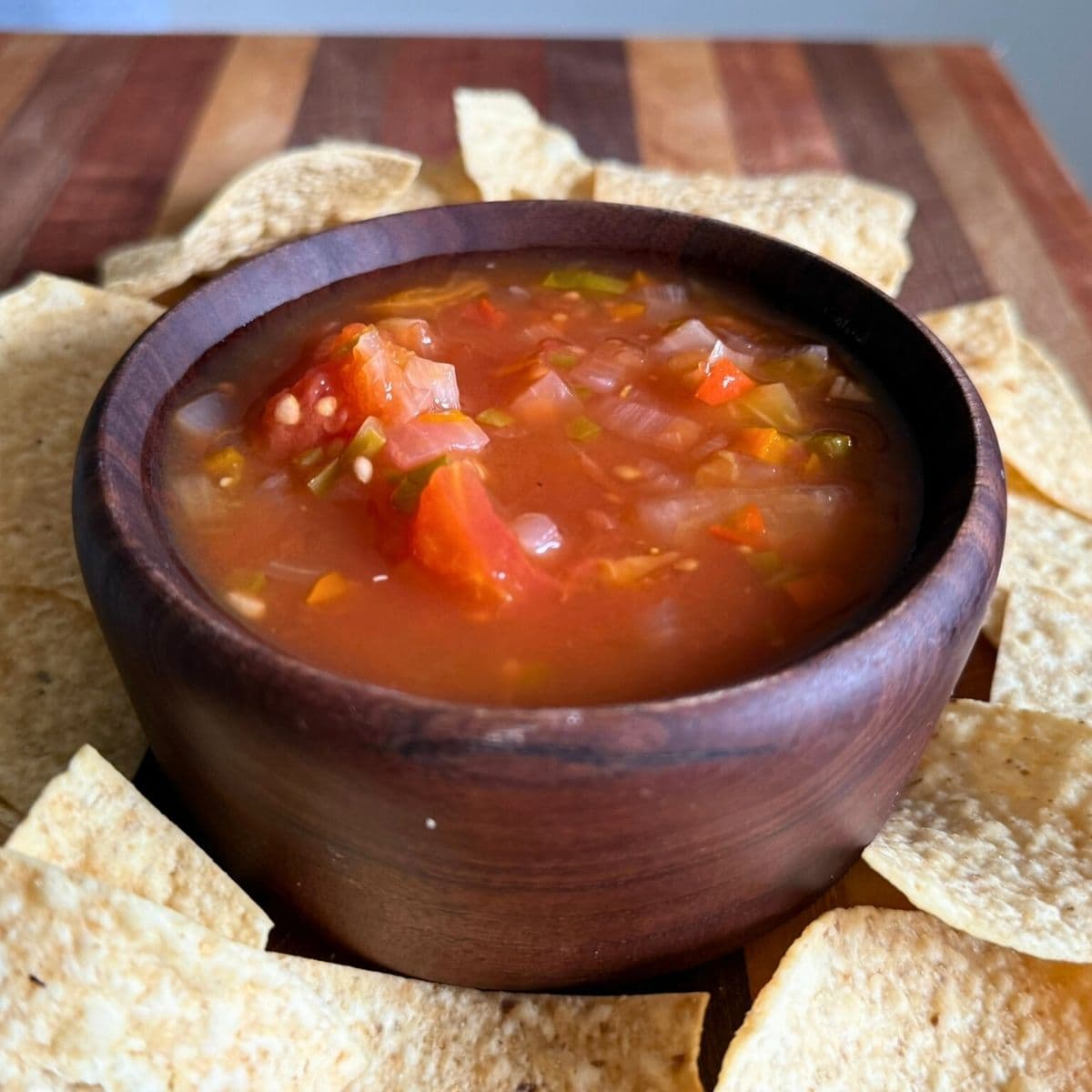
Nothing compares to the bright, clean flavor of homemade salsa: juicy tomatoes, crisp peppers, a hint of heat, and that tangy vinegar bite that makes you reach for another chip. This garden fresh salsa captures peak summer in a bowl, whether you're making a small batch to enjoy this week or putting up jars to savor all winter long.
The beauty of this recipe is its simplicity. No roasting, no charring, no complicated technique. Just dice your vegetables, simmer briefly to marry the flavors, and you're done. You control the heat by adjusting the jalapeños, the texture by how finely you chop, and the tanginess with a splash more vinegar if you like. It's your salsa, your way.
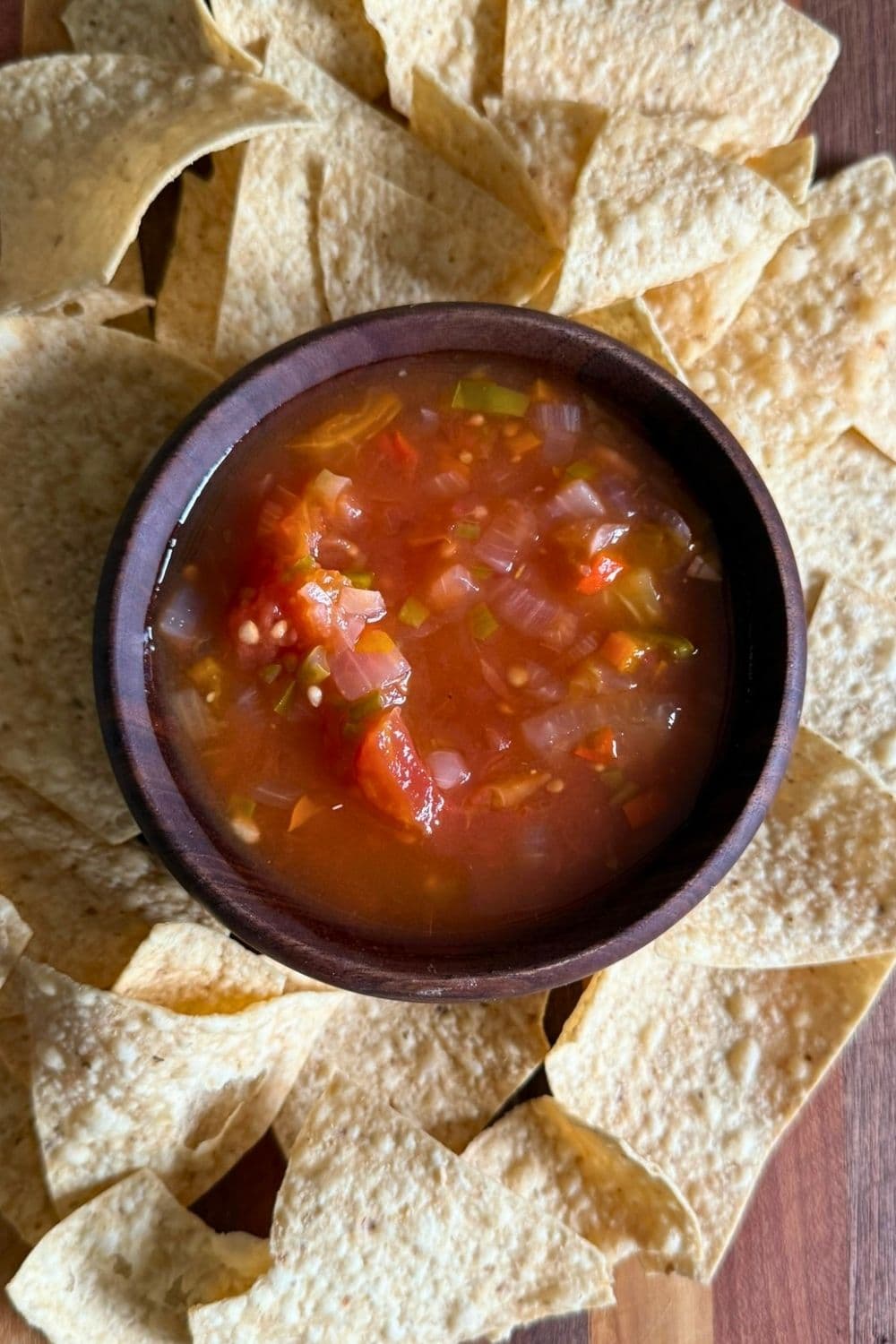
Tips & Variations
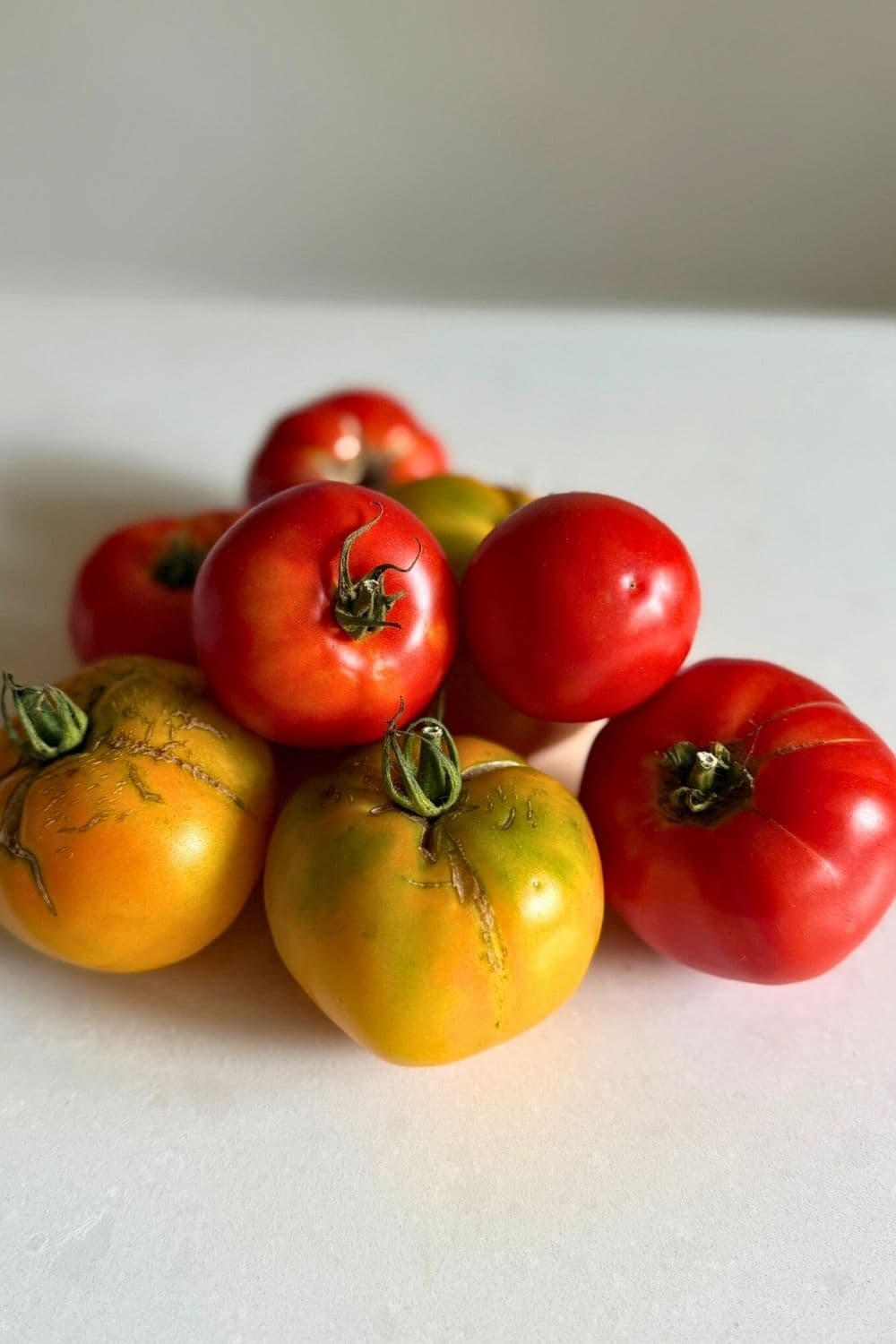
Tomato Selection: Peak season garden tomatoes make the best salsa. Roma tomatoes are classic for their meaty texture and lower moisture content, but any ripe tomato works. Mix varieties for complexity: beefsteaks for sweetness, Early Girls for tanginess, heirlooms for depth. The key is using tomatoes at their ripest, when they're bursting with flavor.
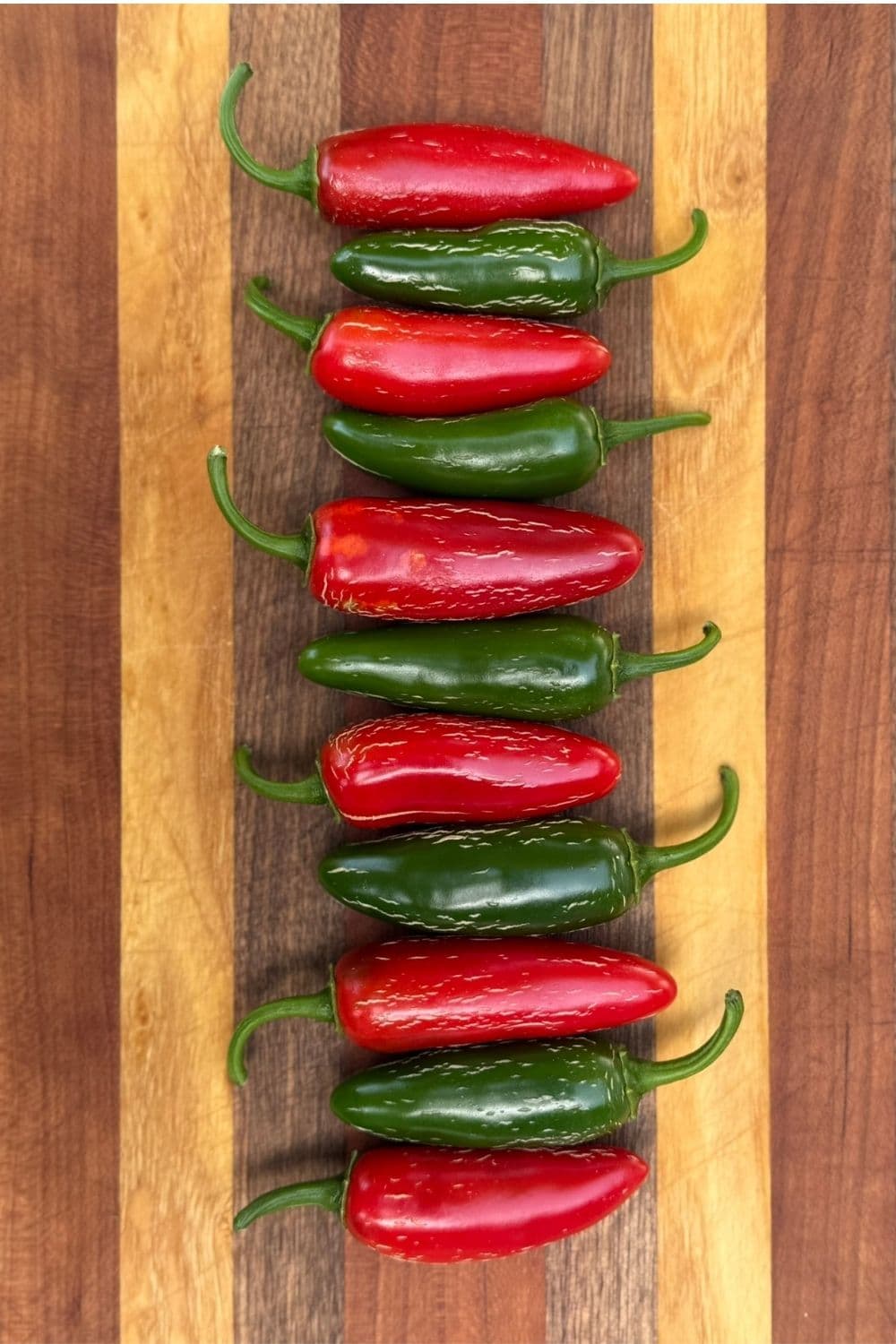
Heat Level Customization:
- Mild: Remove all jalapeño seeds and membranes, use only 4-5 peppers
- Medium (as written): 7 seeded jalapeños delivers gentle warmth
- Hot: Keep some jalapeño seeds, or add 1-2 seeded serrano peppers
- Very Hot: Add 1 habanero (seeded and finely chopped) for serious heat
The Cilantro Question: Fresh cilantro is traditional in salsa, adding bright, citrusy notes. However, about 10% of people have a genetic variation that makes cilantro taste soapy. If you're in that group, skip it entirely or substitute fresh parsley for color and freshness without the soapy flavor. If you love cilantro, stir in ½ cup chopped fresh cilantro after cooking (note: this makes the salsa unsuitable for long-term canning, so refrigerate and use within a week).
Texture Control:
- Chunky (as written): Dice vegetables into ¼-inch pieces
- Restaurant-style smooth: Pulse finished salsa with an immersion blender for 2-3 seconds
- Extra chunky: Dice vegetables larger, about ½-inch pieces
- Pico de gallo style: Skip the simmering entirely and serve raw for ultra-fresh texture
Sweet Pepper Choices: The recipe calls for sweet bell peppers. Red, yellow, or orange bells add sweetness and color. Green bells work too but bring a sharper, more vegetal flavor. For a twist, try sweet mini peppers or even roasted red peppers (drained and chopped) for subtle smokiness.
Serving Suggestions
This versatile salsa works in countless ways beyond chips and dip:
Classic Uses:
- Tortilla chips or homemade pita chips
- Tacos, burritos, quesadillas, enchiladas
- Nachos (layer with cheese and jalapeños)
- Huevos rancheros or scrambled eggs
Creative Applications:
- Grilled chicken, fish, or steak topper
- Stir into rice or black beans
- Mix with sour cream for a quick dip
- Soup base (add to chicken stock with shredded chicken)
- Bruschetta topping (drain excess liquid first)
- Grain bowl component (over quinoa or farro)
Party Planning: This recipe makes about 3 pints (6 cups), perfect for a gathering of 10-12 people with chips. Double the batch for larger parties or if you're preserving for later.
Storage & Make-Ahead
Refrigerated (Fresh Version): Store in an airtight container in the refrigerator for 1-2 weeks. The flavors actually improve after a day as the ingredients meld. If you added fresh cilantro, use within 5-7 days for best flavor.
Canned (Long-Term Storage): Want to preserve your garden harvest? The recipe includes canning instructions. Properly canned salsa keeps for up to 1 year in a cool, dark place. The vinegar content ensures safe acidity for water bath canning. Once opened, refrigerate and use within 2 weeks.
Freezing: Salsa freezes beautifully for 3-6 months. Freeze in pint containers or freezer bags, leaving ½ inch headspace for expansion. Thaw overnight in the refrigerator. The texture may be slightly softer after freezing, but the flavor remains excellent.
Make-Ahead Tip: Chop all your vegetables the night before and store separately in the refrigerator. The next day, just combine and simmer. This saves time and makes bulk batches less overwhelming.
About Canning (Optional)
This recipe includes canning instructions for those who want to preserve their salsa for winter. However, canning is completely optional. If you don't have canning equipment or prefer to skip the process, simply make the salsa, let it cool, and refrigerate.
Why the vinegar matters: The ¾ cup vinegar isn't just for flavor. It provides the acidity needed for safe water bath canning. Don't reduce the vinegar if you plan to can the salsa. For fresh refrigerated salsa, you can adjust to taste, but for safe canning, follow the recipe as written.
Don't have canning equipment? Make the salsa, refrigerate what you'll eat within 2 weeks, and freeze the rest. No special equipment needed.
Garden Fresh Salsa
Nutrition (per serving)
*Nutrition is estimated and may vary based on ingredients and portions.
Ingredients
Instructions
In a large, heavy-bottomed pot, combine tomatoes, sweet peppers, onions, jalapeños, vinegar, garlic, salt, and hot sauce.
Bring to a boil over medium-high heat, stirring constantly to prevent sticking.
Reduce heat and simmer 10 minutes, or until slightly thickened. The vegetables will soften but still have texture.
For Fresh Salsa: Let cool completely, then transfer to airtight containers and refrigerate. Use within 1-2 weeks.
For Canned Salsa (Optional): While salsa simmers, prepare jars, lids, and rings according to safe canning practices. Ladle hot salsa into hot sterilized jars, leaving ¼ inch headspace. Wipe rims clean, seal with lids and rings. Process in a boiling water canner for 15 minutes. Remove jars and cool on a towel. Check seals before storing. Properly sealed jars keep for up to 1 year in a cool, dark place.
Chef's Notes
- Use ripe, peak-season tomatoes for the best flavor. - Adjust heat level by adding or reducing jalapeños. - For spicier salsa, keep some jalapeño seeds or add 1 chopped serrano pepper. - For a smoother texture, pulse briefly with an immersion blender. - Fresh cilantro (½ cup) can be stirred in after cooking, but this version must be refrigerated, not canned. - The vinegar content ensures safe acidity for canning. Don't reduce it if preserving.
Frequently Asked Questions
Absolutely! Canning is completely optional. Make the salsa as directed, let it cool, then store in the refrigerator in airtight containers for 1-2 weeks. This is actually how most people make salsa. Canning is simply a bonus if you want to preserve a large batch for winter or give jars as gifts.