
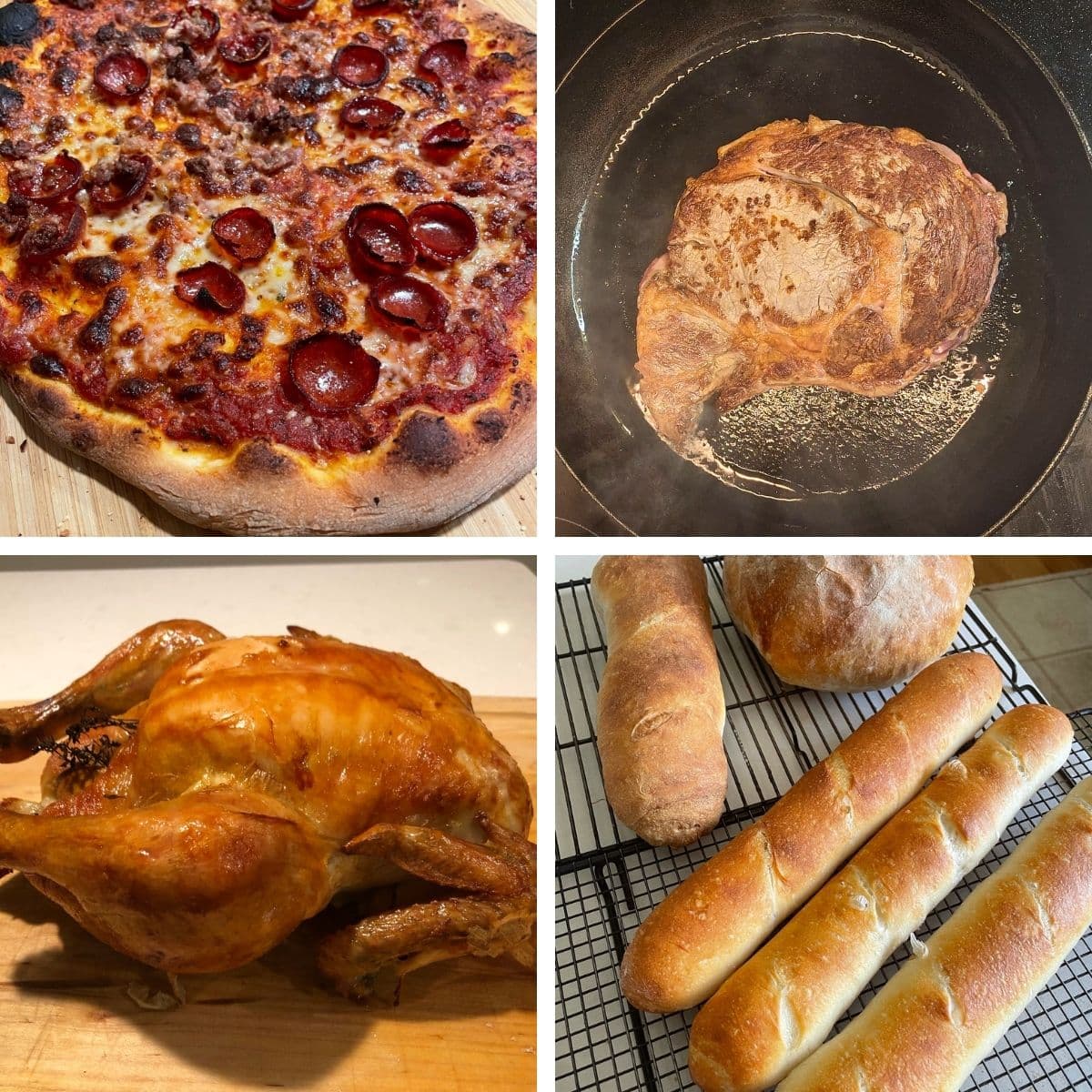
You followed the recipe exactly. Same ingredients, same oven temperature, same timing. But your roasted chicken came out pale and bland while the photo showed golden, crispy skin with rich, savory flavor. The problem wasn't your technique. It was chemistry you didn't know you were fighting.
That chemistry has a name: the Maillard reaction. It's the reason browned food tastes better than pale food. It's why a seared steak smells irresistible, why fresh bread crust has that toasty aroma, and why caramelized onions taste nothing like raw ones. When proteins and sugars meet high heat, they rearrange into hundreds of new flavor compounds and brown pigments. Control this reaction and you control flavor itself.
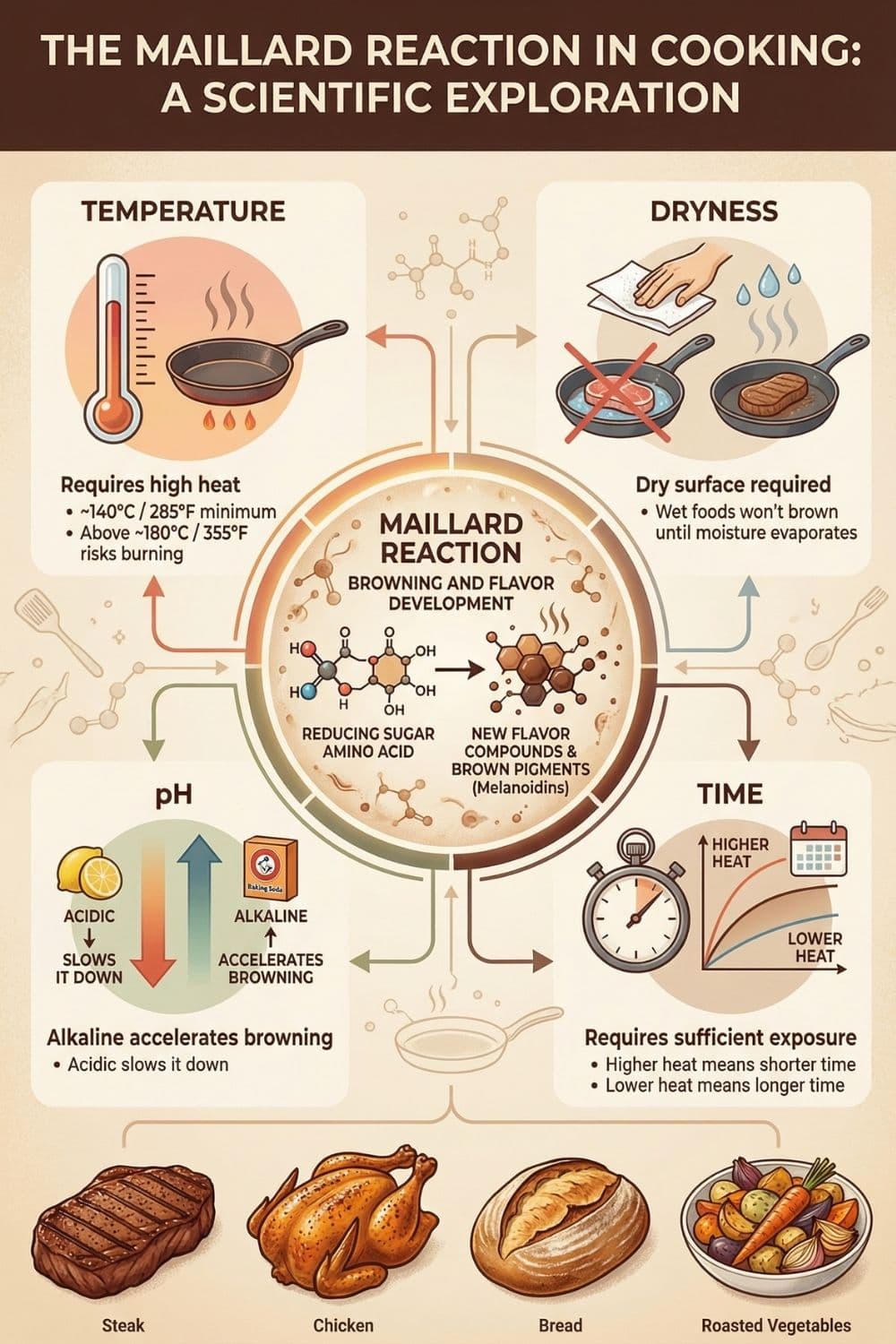
The Maillard reaction isn't complicated once you understand what drives it. Four variables determine whether your food browns beautifully or stays stubbornly pale: heat, moisture, pH, and time. Master these, and you'll troubleshoot browning problems before they happen.
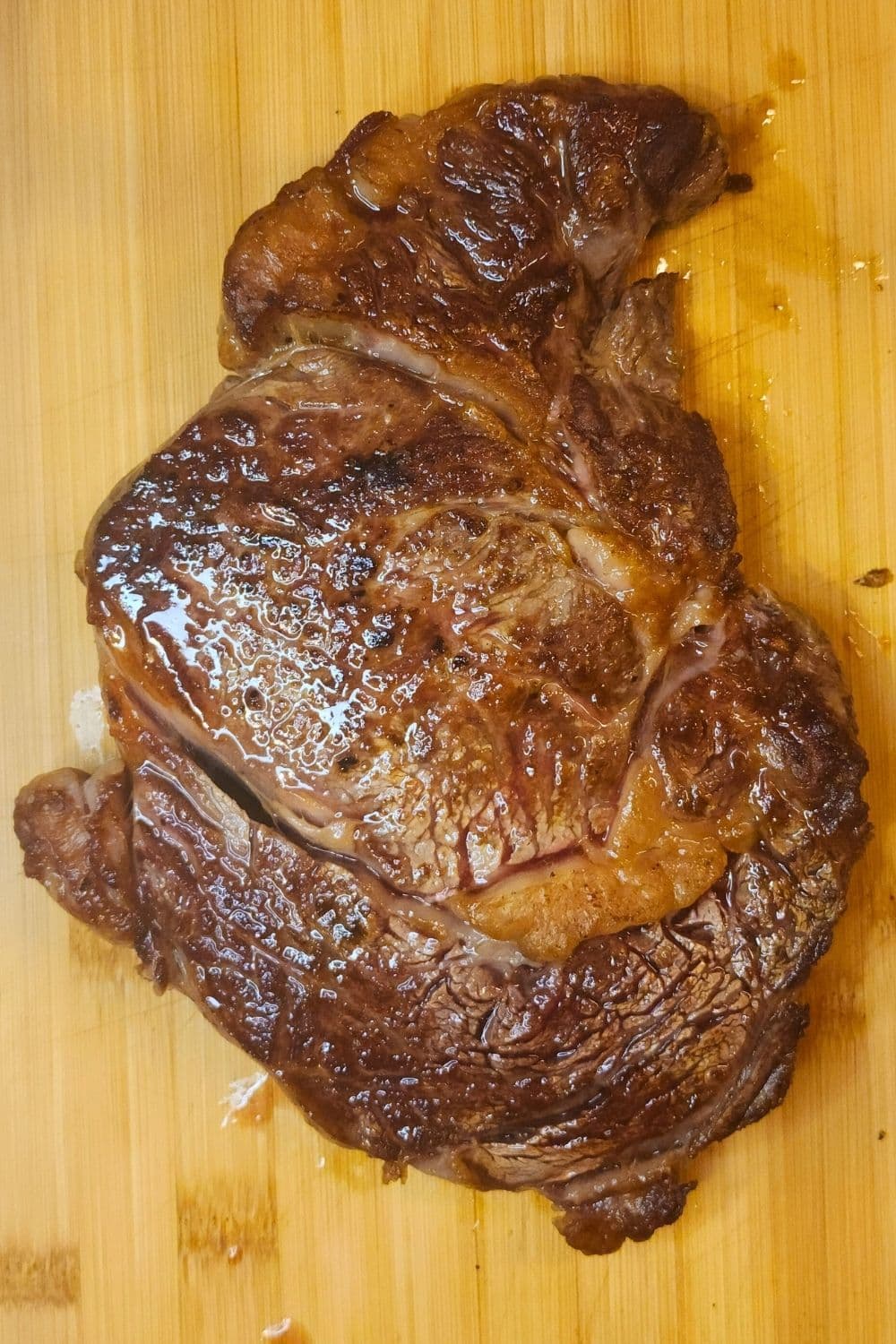
What Actually Happens When Food Browns
The Maillard reaction starts when a reducing sugar's carbonyl group meets an amino acid's nitrogen. They form an unstable compound that quickly rearranges into something more stable. From there, the molecules fragment, recombine, and react further, creating hundreds of new compounds in a cascade of chemistry.
Some of these compounds are small, volatile molecules that become aromas: pyrazines give roasted and nutty notes, Strecker aldehydes contribute malty and bready scents, furans add caramel-like sweetness. Others are large brown polymers called melanoidins, the pigments that give browned food its color.
The specific flavors depend on which sugars and amino acids are present. This is why browned bread doesn't smell like grilled steak or roasted coffee, even though the same reaction drives all three. Each food has its own combination of reactants, creating its own signature set of flavor compounds.
The Four Variables That Control Browning
Understanding these four factors helps you diagnose browning problems and fix them before they ruin dinner.
Temperature: The Minimum Threshold
The Maillard reaction needs heat to proceed at any useful speed. Below 285°F (140°C), browning happens too slowly to matter at normal cooking timescales. The reaction still occurs—even refrigerated foods undergo slow Maillard changes over weeks—but visible browning requires higher heat or much more time. Above this threshold, the reaction accelerates exponentially with each temperature increase.
This is why boiled or steamed food stays pale. Water can't exceed 212°F (100°C) at normal pressure, well below the browning threshold. Roasting, frying, and grilling easily push surface temperatures past 300°F (150°C), kickstarting rapid browning.
But there's an upper limit. Above 355°F (180°C), caramelization becomes increasingly significant, overlapping with ongoing Maillard reactions. Push further and you hit pyrolysis: burning. The goal is a hot-but-not-burnt balance. High heat to brown, but not so high that you cross from flavorful brown into bitter black.
Moisture: The Temperature Ceiling
Wet food won't brown. This is the single most common browning failure in home kitchens.
Water keeps the cooking temperature at or below its boiling point until most moisture evaporates. A wet chicken skin can't reach 285°F (140°C) while it's still steaming. The surface must dry before browning can begin.
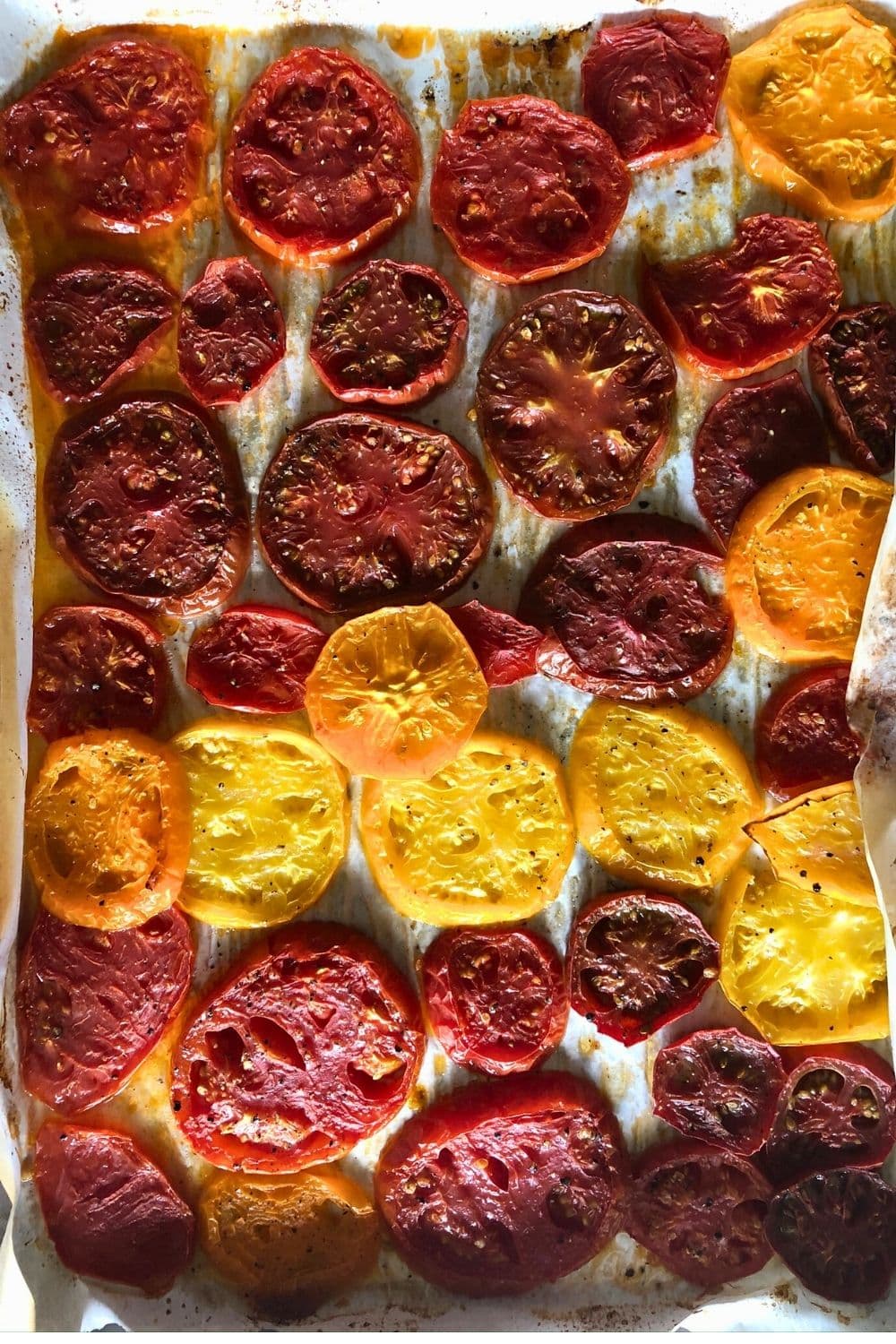
This is why chefs pat meat dry before searing. Why overcrowded pans produce gray, steamed meat instead of brown, crusty pieces. Why roasted vegetables need space between them so steam can escape.
The fix is almost always the same: dry the surface, don't crowd the pan, and let steam escape.
pH: The Hidden Accelerator
Alkaline environments dramatically speed up the Maillard reaction. Acidic conditions slow it down.
This is why pretzel dough gets dipped in lye or baking soda solution before baking. The alkaline bath raises surface pH and produces that distinctive deep brown crust in minutes. It's also why very sour sourdough bread can have a paler crust than other loaves: the low pH inhibits browning.
In practice, most foods are near neutral pH. But when a recipe calls for a pinch of baking soda in caramelizing onions, it's to raise pH and speed browning. The onions turn golden in half the time.
Use this trick carefully. Too much baking soda creates an off-taste, almost soapy, and can make vegetables mushy.
Time: The Slow Build
Higher temperatures brown food in minutes. Lower temperatures take hours. Both can work.
A steak seared on a ripping hot skillet browns in 2 to 3 minutes per side. A dark beef stock gets its deep brown color from roasted bones—Maillard reactions happen during the high-heat roasting, and those melanoidins dissolve into the liquid during the long simmer. French onion soup takes a different path: as onions release moisture and their surfaces dry, those surfaces can exceed 212°F even in a covered pot, allowing slow Maillard browning over hours.
The key insight: cumulative time at browning temperature matters. This is why reverse-searing works for thick steaks. Cook low and slow to bring the interior to temperature, then blast with high heat for the crust. You get both even doneness and deep browning.
See It in Action
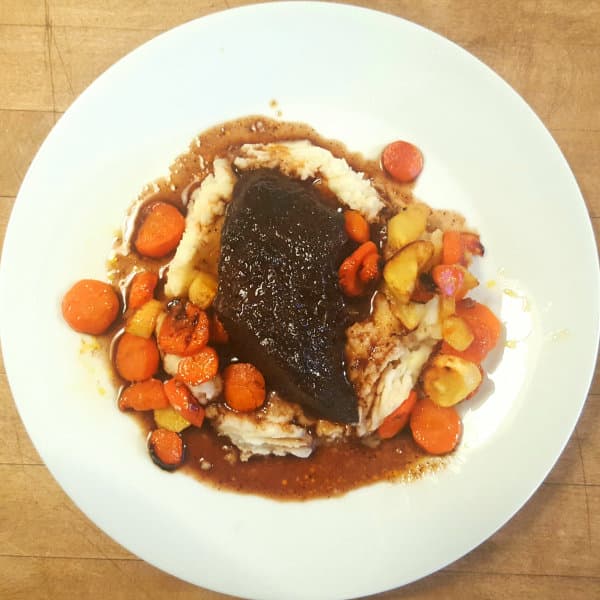
Braised short ribs are a perfect Maillard showcase. The recipe starts with high-heat searing, creating a deep brown crust packed with flavor compounds. That crust and the fond (the brown bits stuck to the pan) dissolve into the braising liquid during the low, slow cook. Every bite carries Maillard flavor, even though most of the cooking happens below browning temperature.
Roasted chicken demonstrates the moisture principle. Dry the skin thoroughly before roasting, and it browns into crispy, flavorful perfection. Skip the drying step, and you get pale, rubbery skin that never develops those savory notes.
Maillard vs. Caramelization vs. Enzymatic Browning
Not all browning is the same. Three distinct processes create brown color in food, and confusing them leads to wrong solutions.
Maillard Reaction
What it needs: Amino acids (from proteins) + reducing sugars + heat above 285°F (140°C)
What it creates: Complex savory, roasted, meaty, nutty flavors plus brown color
Examples: Seared steak crust, bread crust, roasted vegetables, browned butter
The signature: Savory depth and aromatic complexity. The widest range of flavors.
Caramel-ization
What it needs: Sugar only + heat above 320°F (160°C) for sucrose
What it creates: Sweet, butterscotch, toffee, and nutty flavors plus brown color
Examples: Caramel sauce, brûléed sugar, deeply caramelized onions
The signature: Sweeter, simpler flavor profile than Maillard. No protein involvement.
Enzymatic Browning
What it needs: Phenolic compounds + oxygen + enzymes (no heat required)
What it creates: Brown discoloration, often with off-flavors
Examples: Cut apples turning brown, bruised bananas, oxidized avocados
The signature: Undesirable in most cases. Stopped by heat, acid, or removing oxygen.
In practice, Maillard and caramelization often happen together. Caramelized onions undergo both: their sugars caramelize while their amino acids participate in Maillard reactions. The combination creates that jammy, sweet-savory complexity.
Practical Tips for Better Browning
Pat everything dry. This single habit fixes most browning failures. Meat, vegetables, tofu: if water is on the surface, it can't brown.
Don't crowd the pan. Leave space between pieces so steam can escape. If you hear sizzling stop and see liquid pooling, your pan is too full. Brown in batches.
Preheat properly. A cold pan means water has time to collect before it can evaporate. Hot pan, immediate sizzle, rapid browning.
Add a pinch of baking soda. When caramelizing onions or browning ground meat, a small pinch of baking soda raises pH and speeds browning. Use sparingly.
Use the right fat. Oil helps transfer heat evenly and prevents sticking. For very high heat, use oils with high smoke points. For flavor, brown butter adds its own Maillard compounds to the party.
Finish under the broiler. If food is cooked through but too pale, a minute or two under a broiler adds surface browning without overcooking the interior.
Frequently Asked Questions
Too much moisture, not enough heat, or overcrowding. When meat steams instead of sears, it turns gray. Pat the meat dry, preheat your pan until it's ripping hot, and cook in batches so pieces aren't touching. You should hear an aggressive sizzle the moment meat hits the pan. If it's quiet, the pan isn't hot enough.
The Maillard reaction is why browned food tastes better than pale food. When proteins and sugars meet heat, they create hundreds of new flavor compounds that simply don't exist in uncooked ingredients. That golden crust on your steak, the toasty aroma of fresh bread, the savory depth of roasted vegetables: all Maillard.
Four variables control the reaction: temperature (above 285°F (140°C)), moisture (dry surfaces brown, wet ones steam), pH (alkaline speeds it up), and time (high heat browns fast, low heat browns slow). Master these and you'll troubleshoot browning problems before they happen.
Try our Braised Short Ribs to see Maillard chemistry at work. The seared crust and fond dissolve into the braising liquid, infusing every bite with flavor that started on a hot pan. Or roast a chicken with properly dried skin and taste the difference that understanding browning makes.