
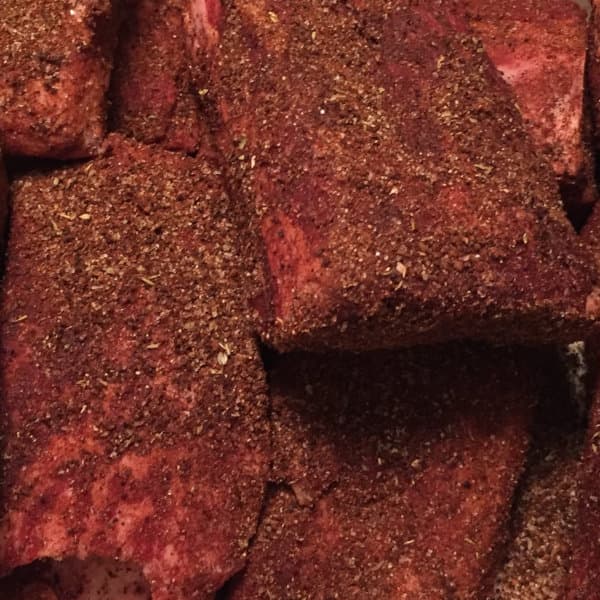
If someone told you to rub coffee grounds on your steak or ribs, you might think they were joking. Coffee belongs in your morning cup, not on your dinner plate, right? But here's the surprising truth: coffee and beef are a perfect chemical match. That dark, savory crust on competition-level ribs? The deep, complex flavor in restaurant-quality brisket? Coffee rubs create that kind of magic, and it has nothing to do with making your meat taste like your morning brew.
The secret lies in chemistry. Coffee and roasted meat share flavor compounds that amplify each other when combined. Add in coffee's natural tenderizing properties and umami-boosting abilities, and you've got a rub that transforms tough cuts like short ribs into fall-off-the-bone perfection with a rich, caramelized crust. Once you understand the science behind why coffee works so well on meat, you'll never look at your spice cabinet the same way again.
See the Science in Action
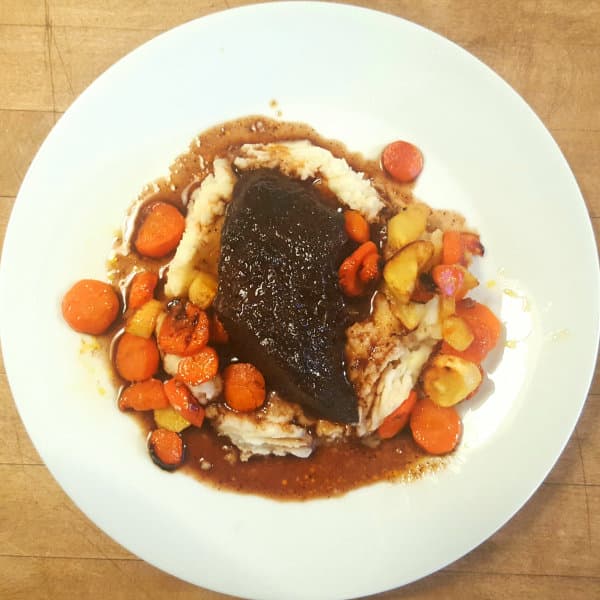
Want to taste this science in action? Our braised short ribs use coffee rub to create deep, savory flavor that complements the wine reduction beautifully. The coffee enhances the beef's natural richness without any bitter or coffee-forward taste. This recipe is the perfect example of how coffee rubs work their magic on tough, flavorful cuts.
The Science Behind Coffee + Meat
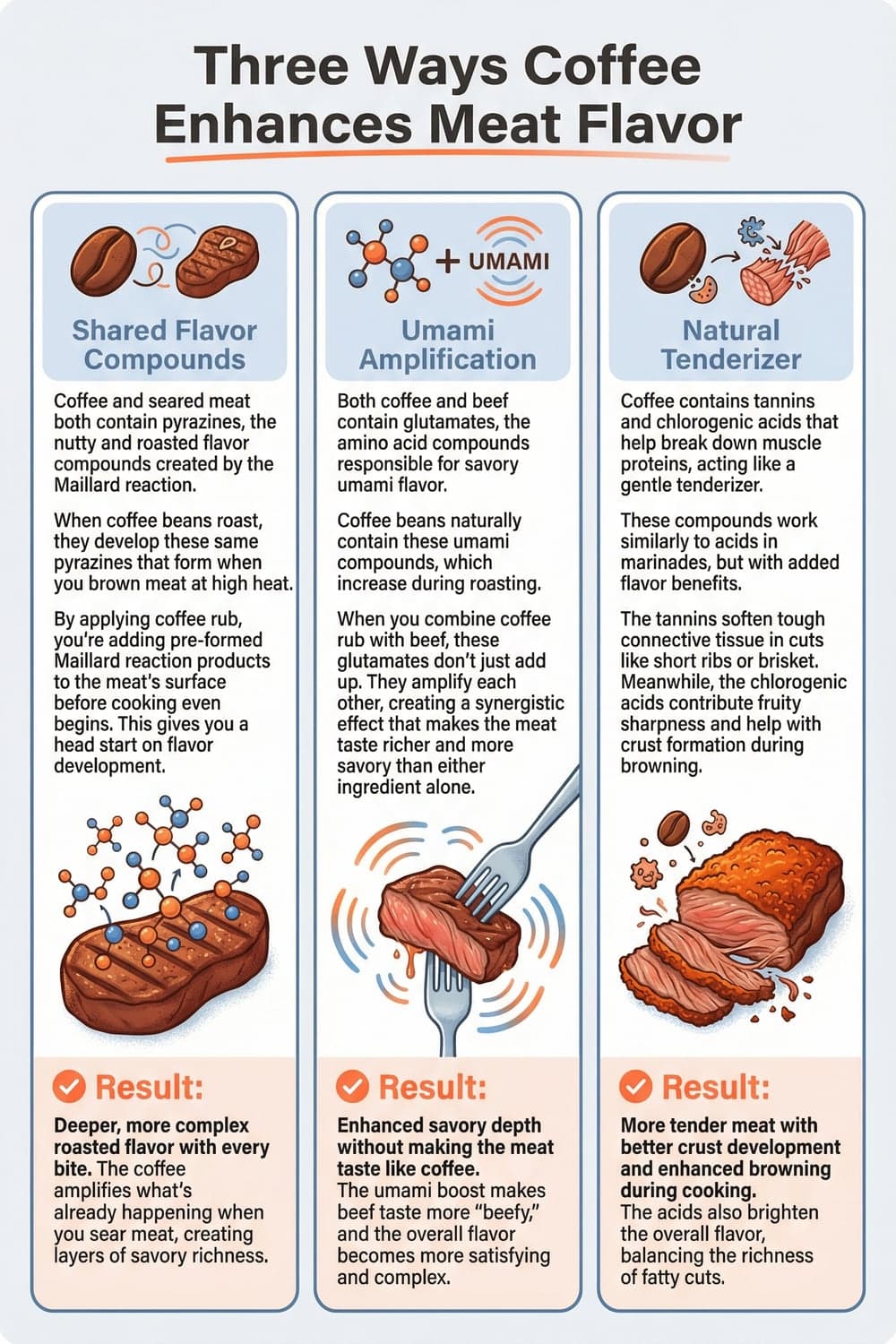
Coffee and seared meat have more in common than you might think. Both undergo high-heat transformations that create similar flavor compounds. When you roast coffee beans, complex chemical reactions produce hundreds of aromatic compounds. The same thing happens when you sear a steak or braise short ribs. This overlap is what makes coffee rubs so effective.
The magic happens through three distinct mechanisms working together. Each one plays a role in transforming your meat from ordinary to extraordinary.
Three Ways Coffee Enhances Meat Flavor
Shared Flavor Compounds
Pyrazines from Maillard Reaction
Coffee and seared meat both contain pyrazines, the nutty and roasted flavor compounds created by the Maillard reaction. When coffee beans roast, they develop these same pyrazines that form when you brown meat at high heat.
By applying coffee rub, you're adding pre-formed Maillard reaction products to the meat's surface before cooking even begins. This gives you a head start on flavor development.
Result
Deeper, more complex roasted flavor with every bite. The coffee amplifies what's already happening when you sear meat, creating layers of savory richness.
Flavor Depth
Savory Complexity
Roasted coffee develops savory, earthy notes during roasting that complement beef's natural richness. The dark, complex flavors in coffee—developed through the same Maillard chemistry that browns meat—create layers of depth that make the beef taste more satisfying.
While coffee's glutamate levels are modest, its bitter and roasted compounds interact with beef's savory notes to create perceived richness and complexity.
Result
Enhanced savory depth without making the meat taste like coffee. The layered flavors make beef taste more "beefy," and the overall experience becomes more satisfying and complex.
Enhanced Browning
Chlorogenic Acids + Maillard Boost
Coffee's chlorogenic acids contribute fruity sharpness and help with crust formation during browning. The dark color of coffee grounds also promotes heat absorption on the meat's surface, encouraging faster browning.
The acids brighten the overall flavor, balancing the richness of fatty cuts while the pre-formed Maillard compounds in roasted coffee give you a head start on crust development.
Result
Better crust development and enhanced browning during cooking. The acids balance richness while the coffee's color deepens the visual appeal of the finished crust.
When Coffee Rubs Work Best
Not all meats benefit equally from coffee rubs. The best candidates are rich, flavorful cuts that can stand up to coffee's bold, earthy character. Here's where coffee rubs shine:
Best meats for coffee rubs:
- Beef short ribs (braised or smoked): The classic pairing. Coffee's depth complements beef's richness perfectly.
- Beef brisket: Long, slow cooking gives coffee compounds time to penetrate and tenderize.
- Ribeye or strip steak: High-heat searing amplifies the pyrazines in both coffee and beef.
- Pork ribs: Coffee works beautifully with pork's slight sweetness, especially when paired with BBQ sauce.
- Pork shoulder: Ideal for pulled pork where coffee adds complexity to the smoke and seasoning.
Why coffee works better on red meat:
Beef and pork have more robust, savory flavors and higher fat content than chicken or fish. The glutamates in coffee amplify these existing savory notes. Coffee's bold, earthy character can overwhelm delicate proteins like chicken breast or white fish, but it enhances the natural richness of marbled beef and fatty pork cuts.
The Maillard reaction also happens more intensely with red meat due to its amino acid composition. Since coffee rubs rely on that shared Maillard chemistry, beef and pork are the ideal canvas.
Essential Tools for Coffee Rubs
The right tools make working with coffee rubs easier and ensure even application and proper cooking:
If you click on links we provide, we may receive compensation.
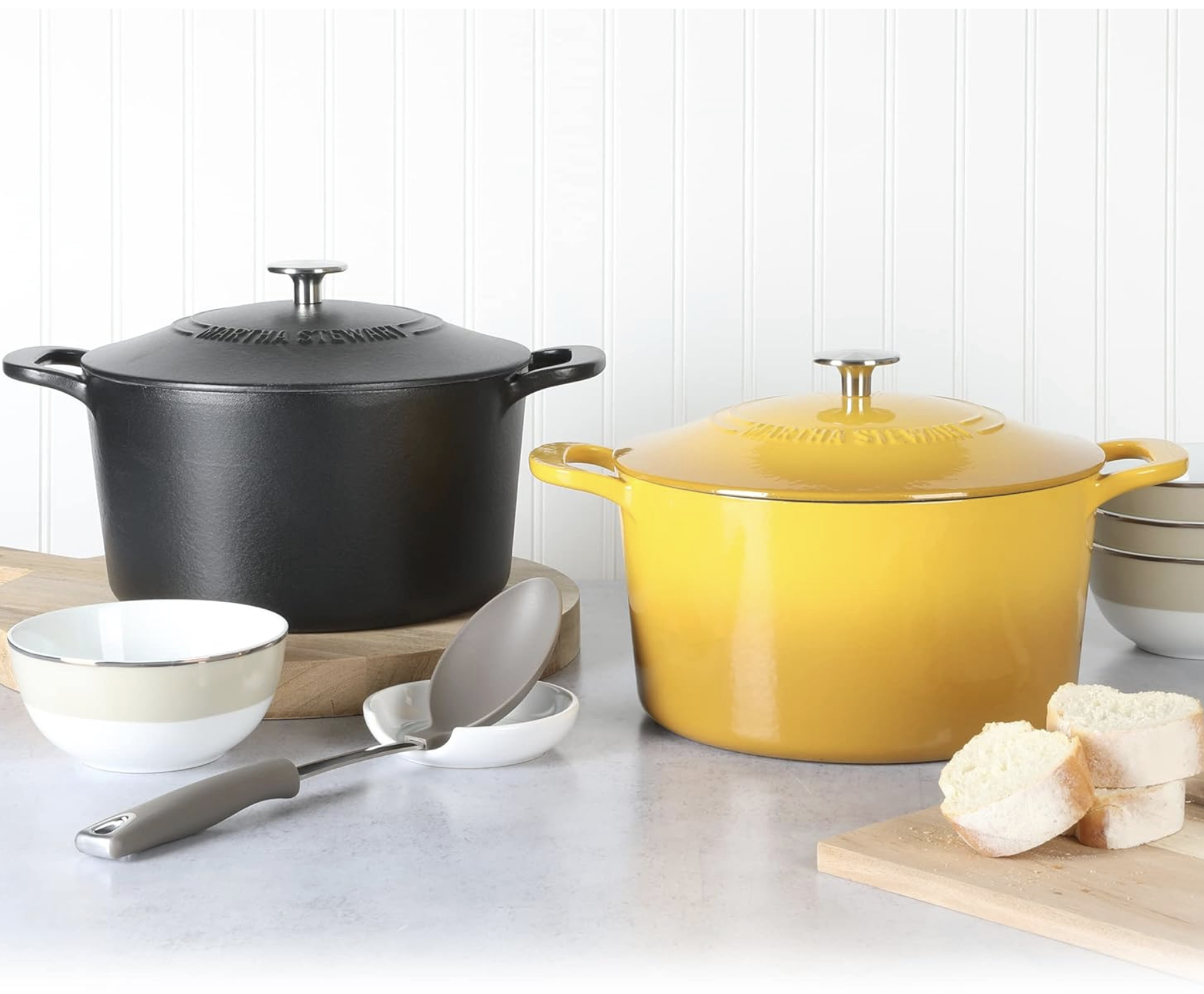
Dutch Oven
This heavy-duty, 7-quart enamel-cast-iron Dutch oven is one of my favorite go-to pots
BUY ON AMAZON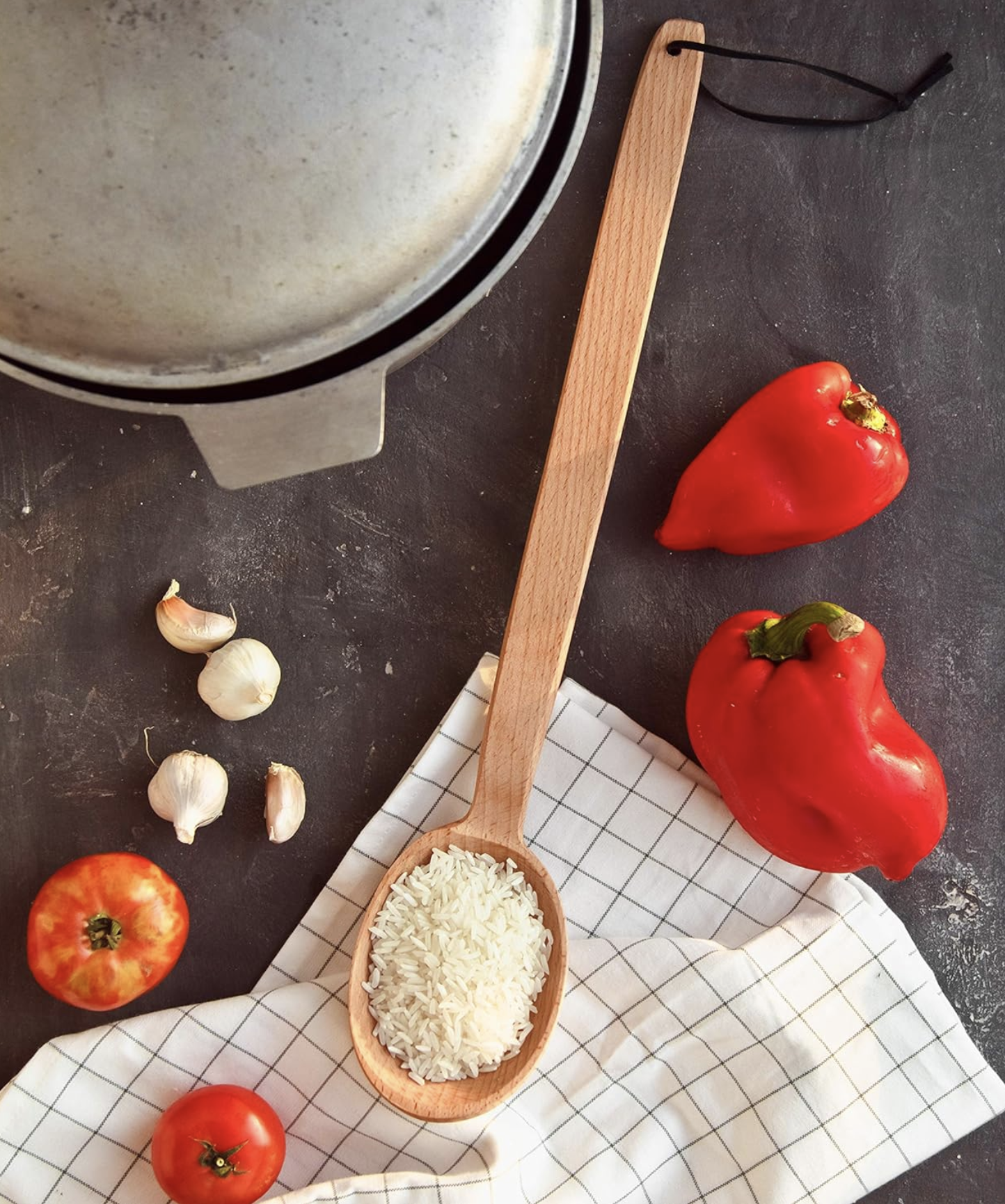
Extra-Long Wooden Spoon
This long-handled wooden spoon is one of my essentials for jam and caramel making.
BUY ON AMAZON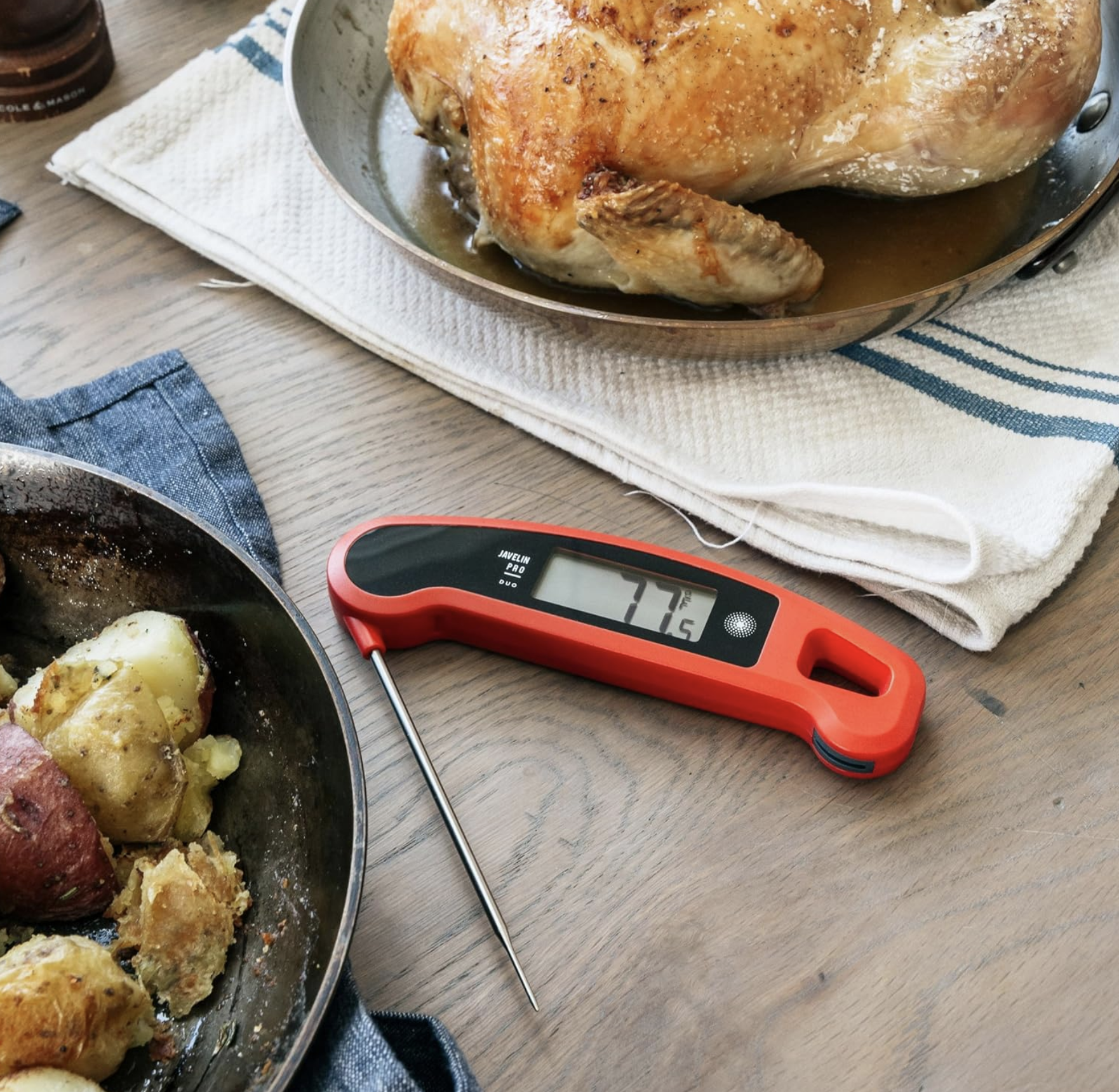
Digital Instant Read Meat Thermometer
A must-have tool for any home-cook who works with sauces, jams or meats
BUY ON AMAZONA Dutch oven provides even heat for braising, the wooden spoon won't scratch your cookware, and a meat thermometer ensures perfect doneness without overcooking.
Frequently Asked Questions
No! This is the most common concern, but properly used coffee rubs don't make meat taste like your morning brew. The coffee flavor mellows and transforms during cooking, contributing earthy, savory depth rather than recognizable coffee taste. What you get is enhanced beef flavor with complex roasted notes, not a mocha-flavored steak. The key is using coffee as part of a balanced rub with other spices, not as the only ingredient.
Coffee rubs work because of simple, elegant chemistry. The shared pyrazines between coffee and roasted meat create layers of savory depth. The dark, complex flavors developed during coffee roasting complement beef's natural richness, making it taste even beefier. And the chlorogenic acids in coffee help build that perfect, flavorful crust while brightening the overall flavor.
The next time you're planning to braise short ribs, sear a ribeye, or smoke a brisket, reach for the coffee. You'll be amazed at how this unlikely ingredient transforms rich, fatty cuts into something truly extraordinary. The science is sound, the flavor is incredible, and the results speak for themselves.
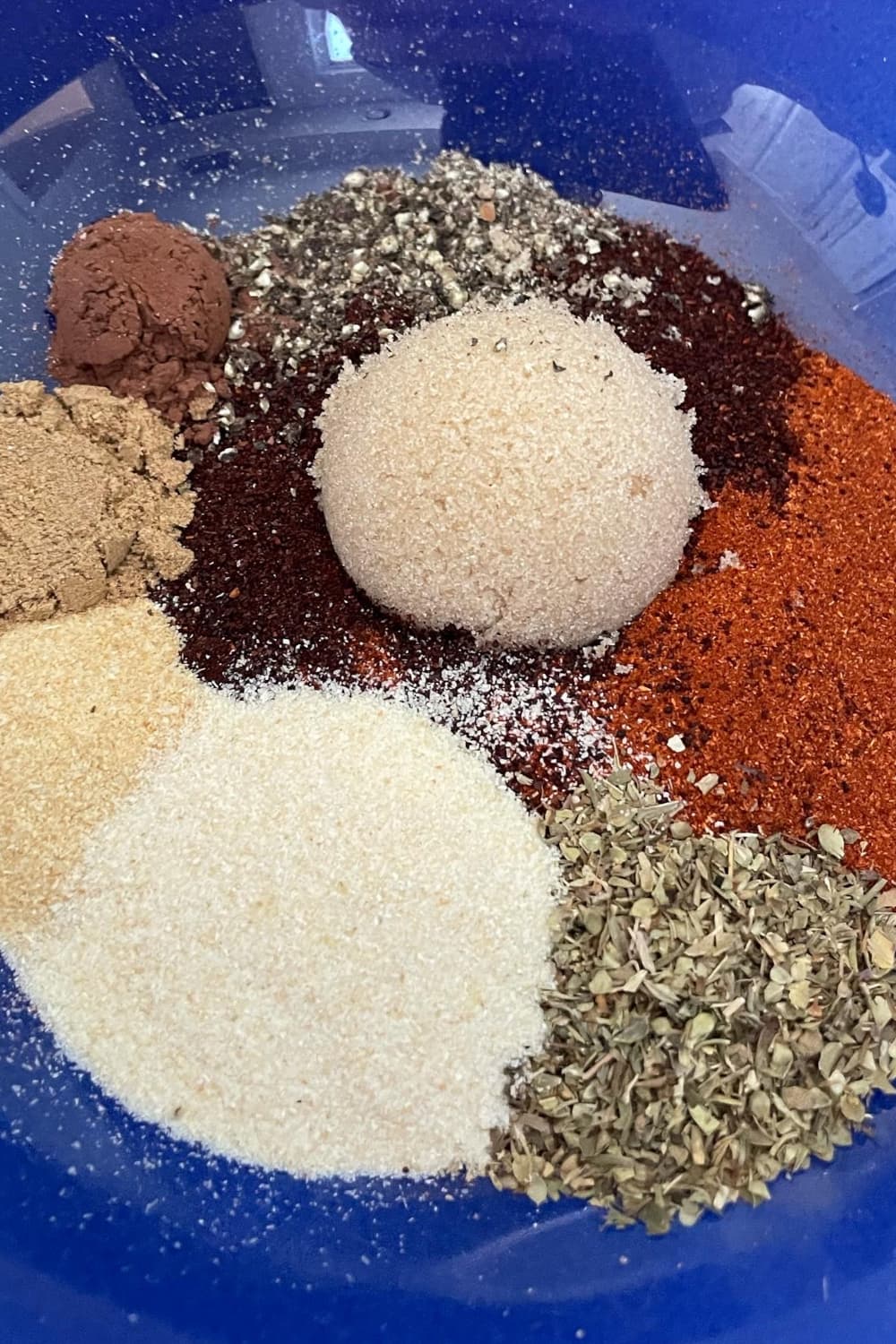
Ready to put this science into practice? Try our Braised Short Ribs recipe and taste how coffee rub creates deep, complex flavor that complements wine-braised beef perfectly. Want to make your own? Check out our Coffee Spice Rub recipe for a versatile spice blend you'll use again and again.