

Eight dollars for two vanilla beans. You stand in the baking aisle, wondering if those little black pods are really worth it when a bottle of extract costs half as much, and that giant jug of imitation vanilla is practically free. Here's the surprising truth: blind taste tests show that in baked goods, the differences between vanilla types diminish significantly. Yet in cold desserts, real vanilla wins decisively every time.
The difference isn't quality or freshness. It's chemistry. High oven temperatures destroy the delicate aromatic compounds that make real vanilla special, leaving only vanillin, the one compound that synthetic vanilla already provides. But in applications that skip the oven? That's where hundreds of other flavor compounds in real vanilla get their chance to shine. Understanding this science means you'll know exactly when real vanilla delivers the most impact, and when the splurge pays off.
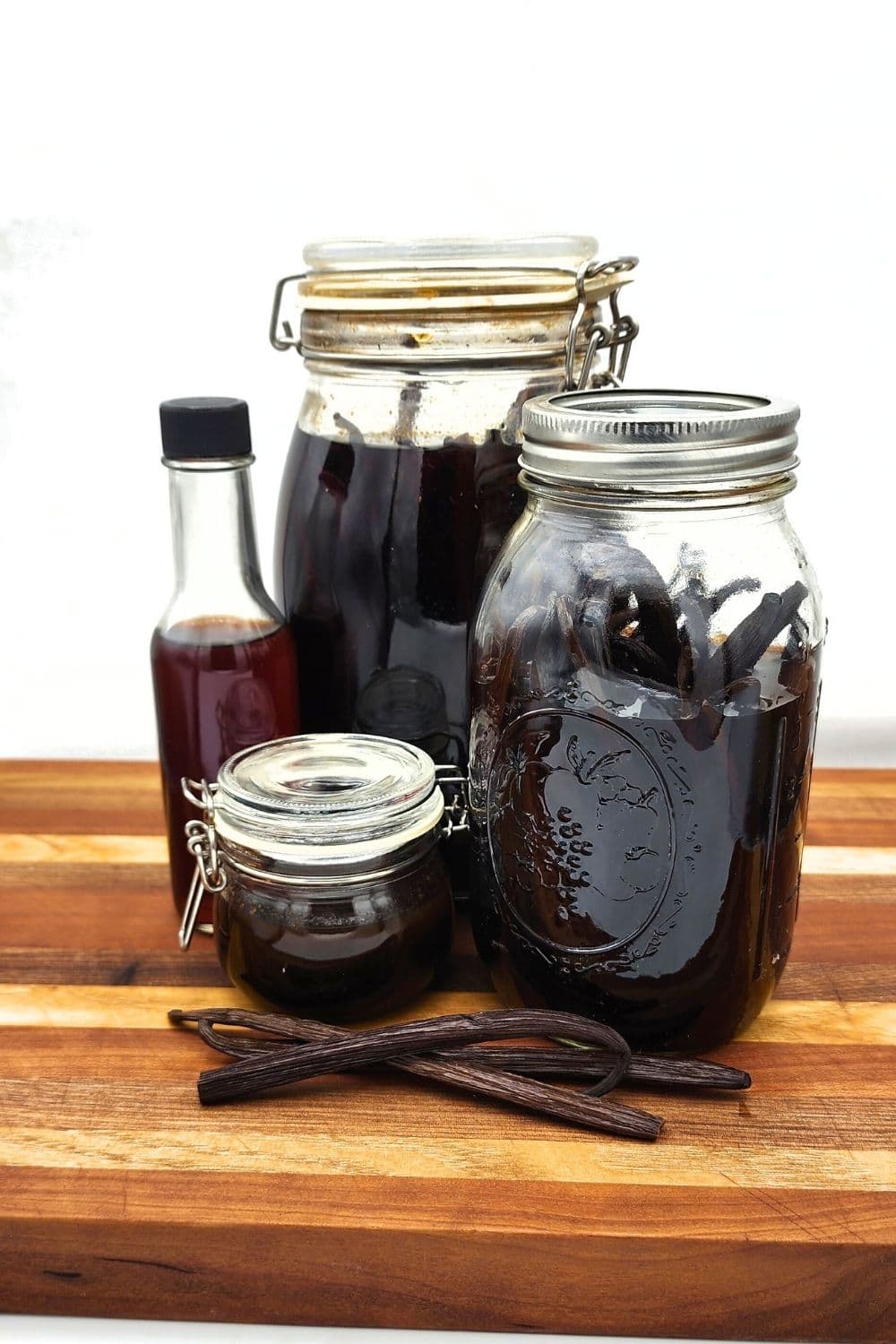
The Surprising Science of Vanilla Flavor
Vanilla's flavor comes primarily from vanillin, a single aromatic compound. But real vanilla beans contain over 200 additional trace compounds: piperonal adds sweet floral notes reminiscent of cherry, eugenol contributes warm clove-like spice, and dozens of others create depth and complexity. Think of it like music. Synthetic vanilla is a single clear note. Real vanilla is a full orchestra.
This sounds like an obvious win for real vanilla. But here's where chemistry gets counterintuitive.
The Heat Paradox
When you bake at 350F or higher, those delicate aromatic compounds break down. Piperonal? Gone. Eugenol? Destroyed. The only compound robust enough to survive extended high heat is vanillin itself, the exact compound that synthetic vanilla already provides in abundance. By the time your cookies come out of the oven, the "full orchestra" has been reduced to that same single note.
This explains why professional blind taste tests at Serious Eats found that tasters could not reliably distinguish between cookies made with expensive vanilla beans, pure extract, and imitation vanilla. The oven had leveled the playing field.
Why Alcohol Matters
Pure vanilla extract contains 35% alcohol by volume, and that alcohol does more than preserve the flavor. It acts as a carrier for volatile aromatic compounds, helping them reach your nose and enhancing your perception of vanilla richness. Some taste testers actually preferred extract over whole beans in ice cream because the alcohol added a subtle bourbon-like warmth they associated with "good vanilla."
This alcohol effect disappears in two situations: when you bake (the alcohol evaporates) and when you use alcohol-free imitation vanilla. For cold applications where you want maximum vanilla impact, pure extract has an advantage that even whole beans can't match.
When Real Vanilla Shines
Use Whole Beans
Cold or No-Bake Applications
Splurge on whole beans when vanilla is the star and won't be heated: ice cream, custard, creme brulee, panna cotta, whipped cream, mousse, and pastry cream. The black specks add visual premium and the full flavor complexity shines through.
Best For
No-heat or gentle-heat desserts where vanilla is the primary flavor. Also ideal for making DIY extract (6-8 beans per cup of vodka, steep 2-6 months).
Use Pure Extract
Baked Goods + Everyday Use
Save money with extract when baking at high temperatures—cookies, cakes, muffins, quick breads. The oven destroys subtle compounds anyway, leaving only vanillin which extract provides. Also use when vanilla plays a supporting role in chocolate or spiced desserts.
Best For
All baked goods, chocolate desserts, budget-conscious cold applications. The reliable workhorse that delivers real vanilla flavor economically.
What I've Learned From Years of Vanilla Hoarding
I have an embarrassing number of vanilla products in my pantry. Three types of beans (Madagascar, Tahitian, and Mexican), two bottles of extract (one store-bought, one homemade that's been steeping for years), a tube of paste I keep forgetting to use, and a jar of vanilla sugar with a bean buried in it. After accumulating all of this, here's what I actually reach for.
For everyday baking, it's always extract. Cookies, cakes, muffins, quick breads. I don't even think about it anymore. The science convinced me years ago, and nothing in my own baking has contradicted it. Extract works. The oven doesn't care how much you spent.
For cold desserts, I splurge on beans. Homemade ice cream, pastry cream, panna cotta. These are the applications where I taste the difference. The complexity comes through. Those little black specks matter here, both for flavor and for the visual signal that says "this is the real thing."
My homemade extract is my secret weapon. I started it years ago with bourbon and a handful of beans, and I've been topping it off ever since. Every scraped pod goes into the jar. It's darker and richer than anything store-bought, and it costs almost nothing at this point. If you bake regularly, starting your own extract jar is one of the best investments you can make.
The paste mostly sits there. I bought it thinking I'd use it for everything. In practice, I reach for extract when I want convenience and beans when I want to make something special. Paste falls into an awkward middle ground. It's fine. I'm just not sure when I need it.
See Real Vanilla in Action
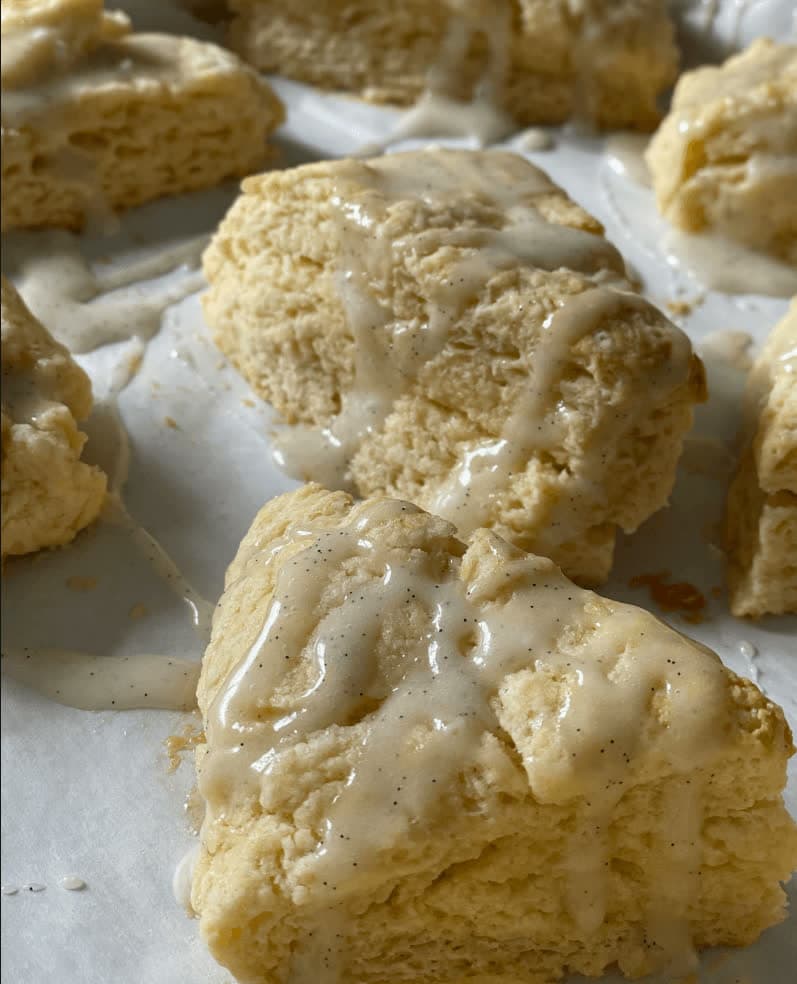
These vanilla scones use pure extract in both the dough and the glaze, a perfect example of smart vanilla use. The scones bake at 425F, so expensive beans would be wasted in the dough. But the glaze? It's never heated. If you wanted to upgrade one element of this recipe, adding scraped vanilla bean seeds to the glaze would provide noticeable complexity. The scones themselves? Stick with extract.
A Note on Imitation Vanilla
If budget is a real concern, imitation vanilla exists as an option. In baked goods where heat destroys subtle compounds, the gap between imitation and real vanilla narrows. Here's when some bakers reach for it:
- Chocolate dominates: Cocoa's bitterness and alkalinity mute vanilla anyway, so you need more vanilla regardless of type
- Large batch baking: Birthday party cupcakes for 30 kids? Save the good stuff
- Budget is very tight: It's better than skipping vanilla entirely
Pro tip: Use about double the amount of imitation to match the intensity of pure extract. One teaspoon of extract equals roughly two teaspoons of imitation.
Storage Tips That Protect Your Investment
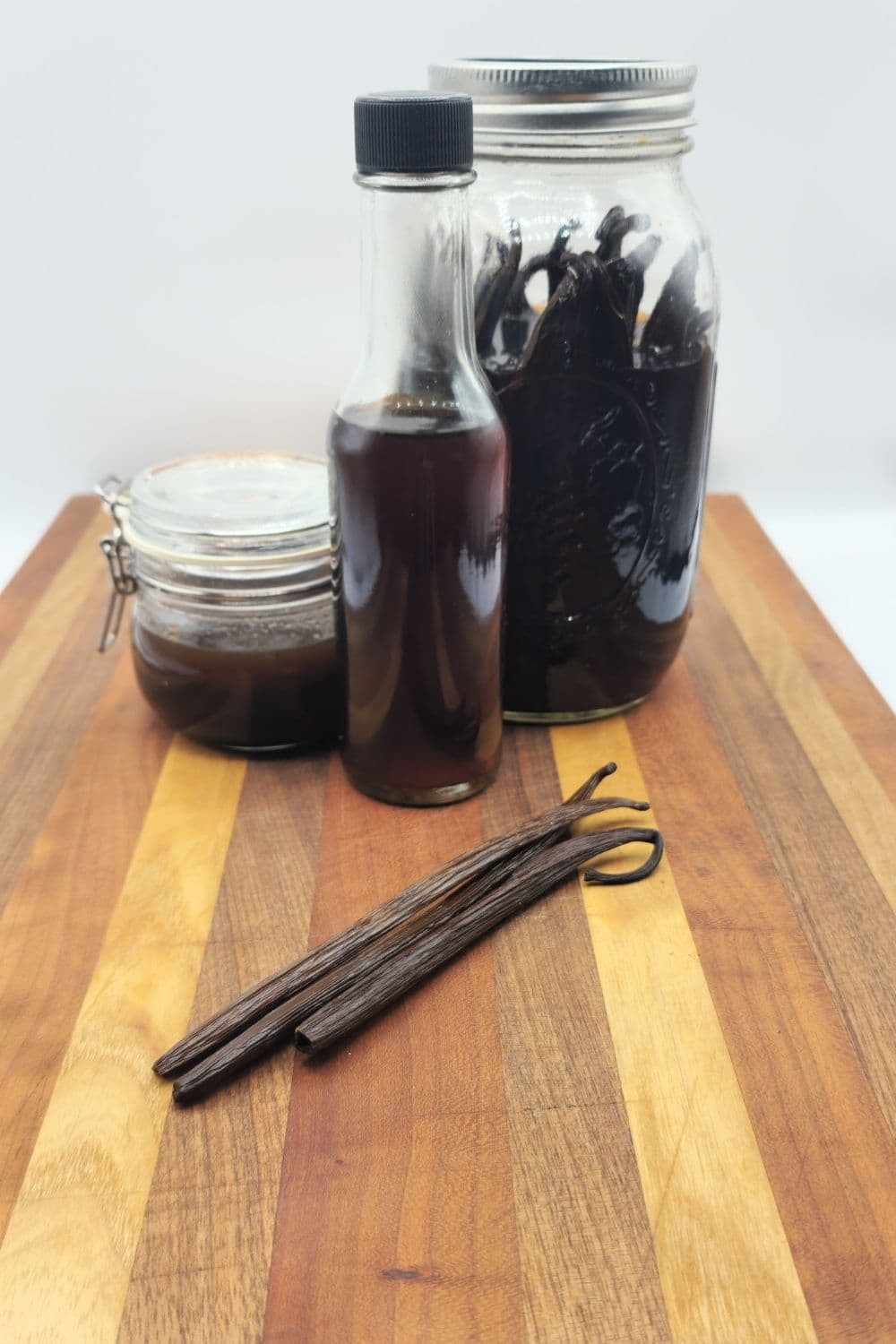
Whole Beans: Store in an airtight container in a cool, dark place. Never refrigerate or freeze. Cold temperatures cause moisture condensation that invites mold and makes beans hard and brittle. Properly stored beans last years, not months. If you see white crystals on the surface, smell them: sweet and sparkly means natural vanillin crystals (a sign of quality), fuzzy and off-smelling means mold.
Pure Extract: Essentially immortal. The 35% alcohol content prevents spoilage indefinitely. Keep it capped tightly away from heat and light. An older extract may actually taste better, like aged wine.
Vanilla Paste: Refrigerate after opening and use within a year. The lower alcohol content makes it more perishable than extract.
Quick Substitution Guide
- 1 whole vanilla bean = 1 tablespoon extract = 1 tablespoon paste
- 1 teaspoon pure extract = 2 teaspoons imitation vanilla
- Half a bean works for recipes calling for 1 teaspoon extract (beans are potent)
Don't throw away scraped pods. Steep them in milk or cream for your next custard, bury them in sugar to make vanilla sugar, or drop them into a jar of vodka to start homemade extract.
DIY Vanilla Extract
Making your own extract is simple and cost-effective for frequent bakers:
- Split 6-8 vanilla beans lengthwise
- Place in a jar with 1 cup (8 oz) of vodka or bourbon
- Store in a cool, dark place
- Wait at least 2 months; 6-12 months yields best results
- Shake occasionally
The extract darkens to deep amber and develops rich vanilla aroma. You can top off with more alcohol as you use it and add spent pods from other recipes to keep the jar going indefinitely.
A note on grades: Grade A beans are plump and moist, ideal for scraping seeds into custards and ice cream where you want those visual specks. Grade B beans are drier and less photogenic but extract just as well (often better, since their concentrated flavor isn't diluted by moisture). For making extract, Grade B saves money without sacrificing quality.
For the full recipe with alcohol variations and troubleshooting, see our Homemade Vanilla Extract recipe.
Frequently Asked Questions
Yes! Use paste 1:1 for extract. Paste is essentially extract with real vanilla seeds suspended in it, so you get identical flavor plus those gorgeous black specks. It's perfect for frostings, custards, and ice cream where you want visual appeal without scraping beans.
The vanilla question has a simple answer: match your vanilla to your application. Baking at high heat? Extract or imitation works perfectly. Cold desserts where vanilla stars? That's where real vanilla, whether beans, paste, or quality extract, justifies the expense. Don't overthink the everyday baking: pure extract works beautifully. Save the whole beans for your homemade ice cream.
Understanding the science transforms vanilla from a confusing premium ingredient into a strategic choice. The compounds that make real vanilla special are heat-sensitive. Once you know that, the decision makes itself.
Ready to put your vanilla knowledge to work? Try our Vanilla Scones recipe, where pure extract delivers perfect results. And if you want to experiment, try adding scraped vanilla bean seeds to the glaze (the one part that's never heated) and taste the difference for yourself.